Furnace Maintenance
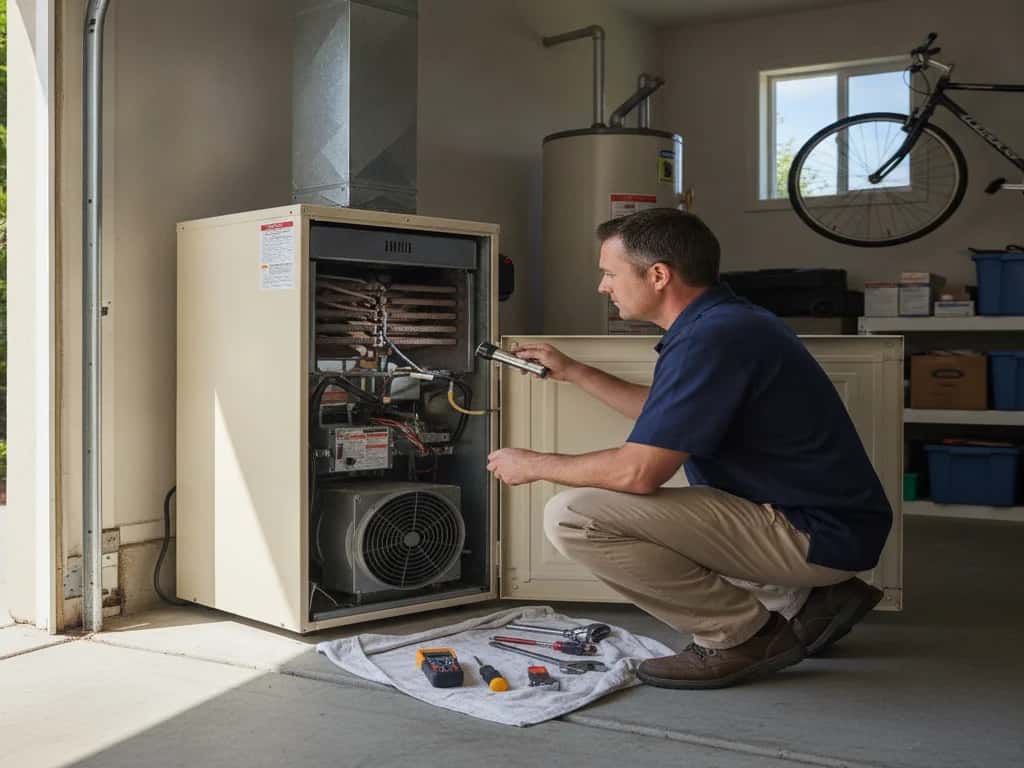
Statewide HVAC maintains residential gas furnaces across Sacramento, Placer, El Dorado, Nevada, and Yolo counties — the annual safety and performance check that keeps a combustion appliance running cleanly and reliably through winter. The heat exchanger, flame sensor, and safety switches get inspected on every visit because combustion safety is not optional.
- Reviews on Google
- CSLB #1023360 · C-20 & C-43
- Licensed since 2017
- Labor warranty on our work
What furnace maintenance covers
- Heat exchanger inspection for cracks, soot, or deformation
- Burner, flame sensor, and ignition component cleaning and test
- Draft inducer and venting inspection — proper combustion flow
- Limit switches, pressure switches, and rollout sensors tested
- Blower motor, wheel, and belt (where applicable) checked
- Thermostat calibration and heat-cycle verification
How it works
What happens after you reach out
- 01
Call or send a request.
Tell us what the system is doing — not heating or cooling, making noise, won't start. That's enough to begin.
- 02
A technician diagnoses it.
We inspect the system and show you what we found. No guessing. No parts-cannon. The actual problem, explained plainly.
- 03
You decide what happens next.
Repair or replace, budget range, timeline. The call is yours — we lay out the options and you choose.
Google reviews
What customers say on Google
Read our reviews on GoogleReviews and ratings shown live from Google Maps.
- Loading reviews from Google…
Furnace Maintenance across Greater Sacramento
All areas →- Sacramento County
- SacramentoElk GroveFolsomCitrus HeightsRancho CordovaArden-ArcadeOrangevaleRancho Murieta
- Placer County
- RosevilleRocklinLincolnAuburnLoomisGranite BayNewcastleMeadow VistaColfaxApplegateWeimarAltaDutch FlatGold RunNorth Auburn
- El Dorado County
- El Dorado HillsPlacervilleCameron ParkPilot Hill
- Nevada County
- Grass ValleyNevada CityPenn ValleyLake of the PinesLake WildwoodChicago ParkSoda Springs
- Yolo County
- Davis
Furnace Maintenance questions, answered
Why is furnace maintenance a safety issue, not just a performance one?
A gas furnace burns fuel inside your home. A cracked heat exchanger, a plugged flue, or a failed safety switch can let combustion byproducts — including carbon monoxide — into the living space. Annual maintenance verifies the combustion path and the safety interlocks are working before you rely on the system all winter.
When should furnace maintenance happen?
Fall, before the first real cold snap. A furnace that hasn't run in six months can have a dust-fouled burner, a stuck flame sensor, or a weak igniter — all things better found in October than at 6 a.m. on the coldest Tuesday of the year.
Do I need maintenance if my furnace is new?
Yes. Most manufacturers require annual professional maintenance as a condition of keeping their equipment coverage in force, and new furnaces still have wearing parts — flame sensors, igniters, condensate traps on high-efficiency models — that benefit from a yearly check.
What's the difference between a tune-up and maintenance?
In our usage they overlap — a tune-up is the hands-on cleaning and calibration portion; maintenance is the full annual visit that includes the tune-up plus the safety inspections and the written summary of system condition.
Before you decide
Guides on Furnace Maintenance
Plain-language explanations of how this work is diagnosed, sized, permitted, and priced — so you can judge any quote, including ours.
- The Complete Indoor Air Quality Guide for Sacramento HomeownersGuide · 11 min read
- HVAC Maintenance Guide — Tune-Ups, Filters & Seasonal TimingGuide · 13 min read
- How a Dirty Furnace Filter Actually Hurts the SystemArticle · 4 min read
- Furnace Tune-Up Checklist: The Fall Combustion & Safety CheckArticle · 6 min read
- First Furnace Start of Winter: What to CheckArticle · 7 min read
- High Heating Bills: Why Your Gas Bill JumpedArticle · 7 min read
More from Statewide HVAC
HVAC Services
Service Areas
- Sacramento County
- Sacramento · Elk Grove · Folsom · Citrus Heights + more
- Placer County
- Roseville · Rocklin · Lincoln · Auburn + more
- El Dorado County
- El Dorado Hills · Placerville · Cameron Park · Pilot Hill
- Nevada County
- Grass Valley · Nevada City · Penn Valley · Lake of the Pines + more
- Yolo County
- Davis